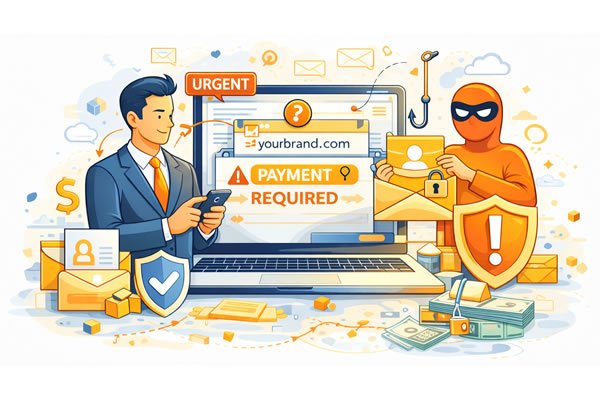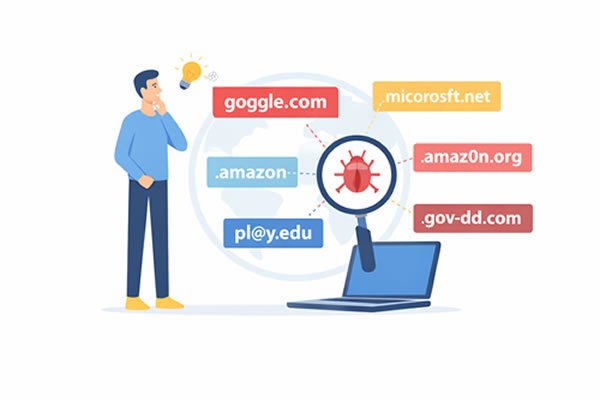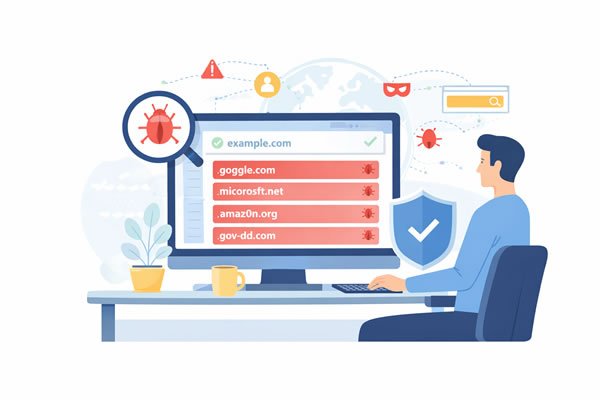
The digital environment has exponentially expanded the reach of brands—and, along with that, opened up new attack surfaces. Today, scams, fraud, and unfair competition practices often begin with something simple: registering a domain that looks similar to that of the legitimate brand . It is in this scenario that domain monitoring has become a central piece of brand protection strategy.
What is domain monitoring?
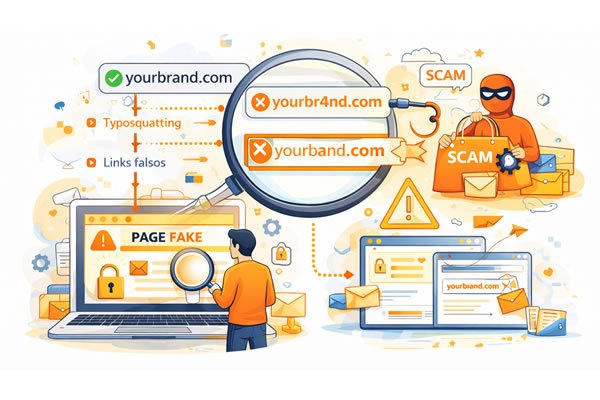
Domain monitoring is the ongoing process of detecting new or active registrations that use names identical, similar, or confusingly similar to an official brand, product, or domain. This includes variations with typos , trademark misuse ( cybersquatting ), character substitution ( homograph attacks ), combinations with commercial terms (“login,” “support,” “payment”), and domains created specifically for phishing scams or financial fraud.
Specialized tools like Observster use phonetic and visual algorithms to detect deception tactics, scanning millions of domains daily and identifying suspicious patterns shortly after registration, when the risk can still be contained. Some of these tactics include:
- Typosquatting: Intentional typing errors (e.g.,
goggle.cominstead ofgoogle.com). - Homograph Attacks: Replacement of Latin characters with other alphabets (Cyrillic or Greek) that are visually identical, but technically lead to a different server.
- Combo-squatting: The most dangerous tactic at the moment. The criminal associates their brand with legitimate terms to lend credibility to the scam, such as
suamarca-suporte.com,financeiro-suamarca.netorrecuperacao-login-suamarca.com. - TLD abuse: The use of cheap and poorly monitored extensions (such as
.xyz,.top,.site) to host fake pages.
Observster doesn’t just look at the domain registration name; it analyzes the infrastructure. We detect, for example, if this “clone” domain has activated email servers (MX Records), a clear sign of preparation for phishing attacks .
Why does this matter to businesses?
For a company, the existence of an active fraudulent domain name amplifies reputational damage. The impact branches out across three critical fronts:
- Security : Fake domains are used in phishing campaigns, Business Email Compromise (BEC) , and targeted attacks. If an attacker manages to impersonate your CEO or finance department using a similar domain, the fraud success rate skyrockets.
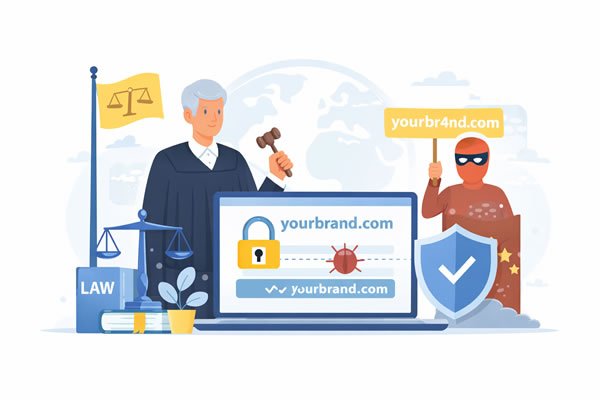
- Legal : Without monitoring, you miss the timing of a takedown (removing the website or domain). Discovering the fraud months later means the criminal has already profited, their reputation has been tarnished, and there will likely be lawsuits for damages.
- Marketing and sales : scams associated with the brand erode public trust, divert traffic, affect conversions, and damage the reputation built over years. Furthermore, when a brand is associated with spam or scams, email filters (Gmail, Outlook) may penalize the official domain. The result? Your legitimate marketing campaigns start ending up in the spam folder, destroying your ROI.
Without monitoring, the company usually only discovers the problem when the damage has already occurred , after customers complain, payments are diverted, or the brand becomes associated with fraud.
Monitoring ≠ defensive recording
Registering variations of your own domain name helps, but it doesn’t solve the problem. There are thousands of possible combinations, new extensions are constantly emerging, and criminals adapt quickly.
There are over 1,500 domain name extensions (TLDs) and endless word combinations. Trying to “buy security” by registering all variations is economically unfeasible and technically impossible.
Domain monitoring allows for continuous visibility , identifying real threats in a timely manner, instead of trying to “guess” all the domains that could be used against the brand.
Domain monitoring as a strategic asset.
Mature companies already treat domain monitoring as a permanent asset for brand protection . It reduces risks, anticipates crises, and strengthens market confidence.
For digital agencies and IT consultancies, monitoring has also become a service opportunity : offering domain protection to clients means adding value, reducing incidents, and differentiating themselves in an increasingly competitive market.
Want to know if your brand is already being used on suspicious domains?
Solutions like Observster allow you to quickly identify potentially fraudulent registrations before they turn into scams or real losses. The first step to protecting your brand starts with observation.